

Most people think PCOS/PMOS is just a hormone issue—but insulin is often the real driver. Up to 95% of women with PCOS have some degree of insulin resistance, even if they’re not overweight. When insulin levels stay high, it disrupts your hormones, blocks fat burning, and impacts everything from your cycle to your mood.
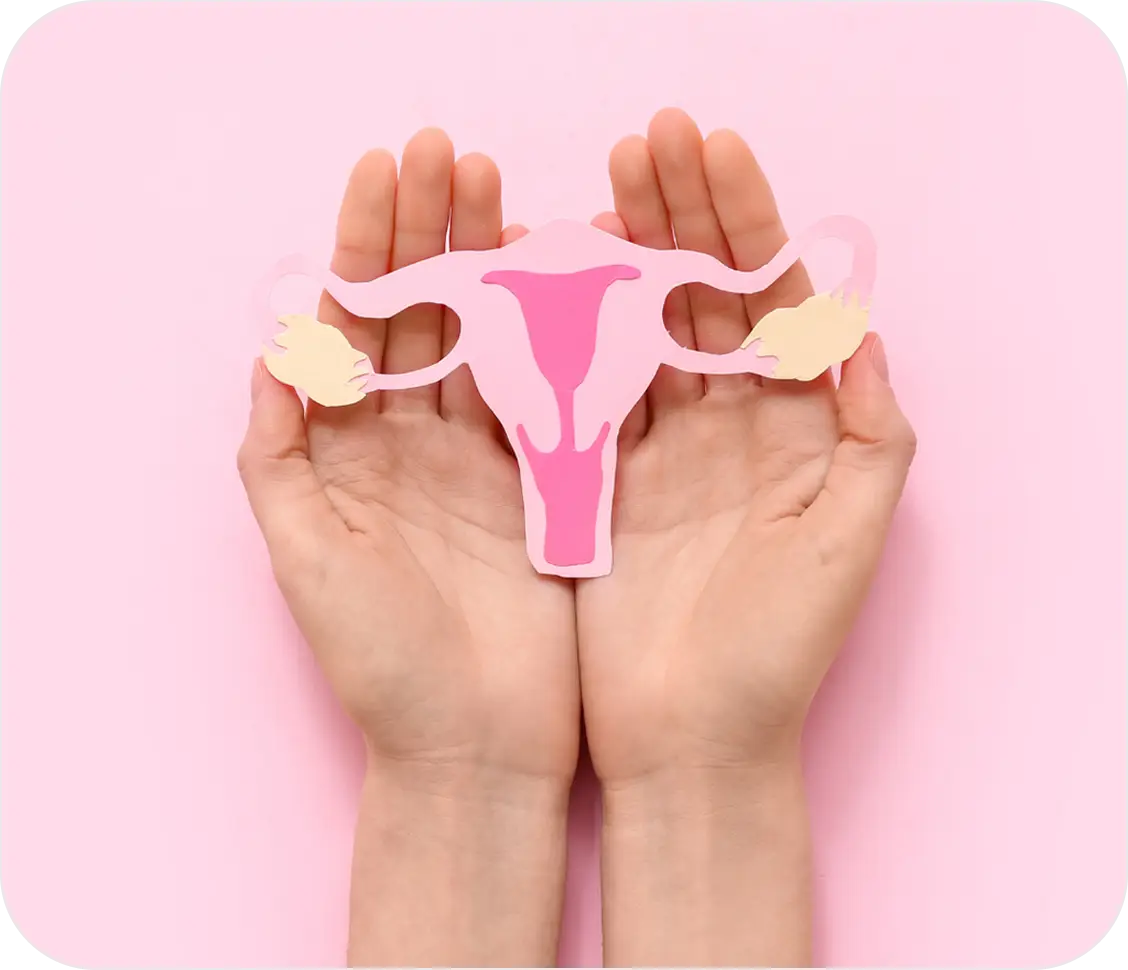
PCOS is now PMOS (Polyendocrine Metabolic Ovarian Syndrome). It’s a meaningful step, finally acknowledging that this is a hormonal and metabolic condition, not just an ovarian one. After more than a decade of advocacy and input from over 14,000 women, the medical world is catching up. We celebrate that.
But here’s the hard truth: putting “metabolic” in the name means nothing if insulin still isn’t being tested. Until clinical guidelines require metabolic testing as standard care, the “metabolic” in PMOS risks being just a word, and women will keep getting diagnosed without ever understanding what’s actually driving their symptoms. That’s the gap Insara was built to fill.
Insulin testing, insulin education, and real tools for real treatment. That’s been our mission from day one.

Weight gain and difficulty losing weight are some of the most frustrating parts of PCOS. Insulin plays a major role in how your body stores and uses energy.
When insulin levels are high, your body is more likely to store fat and less able to burn it. This can make weight loss feel slow or even impossible, even when you’re doing everything “right.” Over time, this can feel discouraging and confusing.
Lowering insulin helps your body access stored fat more easily, which can make weight changes feel more natural and sustainable.

Irregular or missed periods are one of the most common signs of PCOS—and insulin plays a big role. When insulin levels are high, your ovaries can start producing more androgens (male hormones), which can interfere with ovulation.
Without regular ovulation, your cycle can become unpredictable or stop altogether. When insulin levels come down, your body has a better chance of getting back into a more regular cycle.

Hormonal acne in PCOS isn’t just about your skin—it usually starts deeper. Higher insulin levels can increase androgen production, which leads to more oil production in your skin.
That extra oil can clog pores and lead to breakouts, especially around the jawline and chin. Because the root cause is hormonal, surface-level treatments don’t always solve it. Focusing on insulin can help address what’s driving the breakouts in the first place.

Unwanted facial or body hair is often linked to higher androgen levels in PCOS. Insulin plays a role here by signaling your body to produce more of these hormones.
As androgen levels rise, they can act directly on hair follicles—causing fine, lighter hairs to become thicker, darker, and more noticeable over time. You may notice this on the chin, upper lip, chest, or stomach. This tends to happen gradually, which can make it feel frustrating and hard to reverse. Lowering insulin can help reduce that signal and slow excess hair growth.

PCOS can cause both increased hair growth in some areas and thinning in others—especially on the scalp. This is also tied to higher androgen levels driven by insulin.
Over time, these hormones can shrink hair follicles, leading to thinning or reduced volume. You might notice a wider part or less fullness. Supporting healthy insulin levels can help lower androgens and support healthier hair growth.

Ovulation is a key part of fertility, and insulin plays a role in whether it happens regularly. When insulin levels are high, it can disrupt the signals that control ovulation.
Without consistent ovulation, it can be harder to conceive. Insulin can also affect egg quality, implantation, and the early development of the placenta, all of which play a role in a healthy pregnancy. Higher insulin levels have also been linked to an increased risk of miscarriage. When insulin is more balanced, your body is more likely to ovulate regularly and support a healthier pregnancy environment.

PCOS doesn’t just affect your body, it can affect how you feel too. Insulin plays a role in how your brain regulates key chemicals like dopamine and serotonin, which are important for mood, motivation, and emotional balance.
When insulin levels are elevated, these signals can become less consistent, which may contribute to feelings of anxiety, low mood, or lack of motivation. Over time, this can make it harder to feel like yourself. Supporting healthy insulin levels can help bring more stability to both your energy and your mood.










Balen, A. Obes. Weight Loss Thert of anovulatory infertility in women with polycystic ovary syndrome: An analysis of the evidence to support the development of global WHO guidance. Hum. Reprod. Update 22, (2016).
De Leo, V., la Marca, A. & Petraglia, F. Insulin-Lowering Agents in the Management of Polycystic Ovary Syndrome. Endocr. Rev. 24, 633–667 (2003).
Erion, K. A. & Corkey, B. E. Hyperinsulinemia: a Cause of Obesity? Current Obesity Reports vol. 6. Preprint at https://doi.org/10.1007/s13679-017-0261-z (2017).
Farrell, K. & Antoni, M. H. Insulin resistance, obesity, inflammation, and depression in polycystic ovary syndrome: biobehavioral mechanisms and interventions. Fertil. Steril. 94, 1565–74 (2010).
Guess N, Johnson JD, Vaag A, Tahrani AA, Corkey B, Bruin JE, Little JP. Hyperinsulinaemia as a cause of obesity and cardiometabolic diseases. Nat Rev Endocrinol. 2026 Mar 9. doi: 10.1038/s41574-026-01240-1. Epub ahead of print. PMID: 41803509. Phy, J. L. et al. Low Starch/Low Dairy Diet Results in Successful Treatment of Obesity and Co-Morbidities Linked to Polycystic Ovary Syndrome (PCOS). J. Obes. Weight Loss Ther. 5 (2015).
Sanchez-Garrido, M. A. & Tena-Sempere, M. Metabolic dysfunction in polycystic ovary syndrome: Pathogenic role of androgen excess and potential therapeutic strategies. Mol. Metab. 35, 100937 (2020).
Schulte, M. M. B., Tsai, J. & Moley, K. H. Obesity and PCOS: The Effect of Metabolic Derangements on Endometrial Receptivity at the Time of Implantation. Reproductive Sciences 22, 6–14 (2015).
Templeman, N. M., Skovsø, S., Page, M. M., Lim, G. E. & Johnson, J. D. A causal role for hyperinsulinemia in obesity. Journal of Endocrinology 232, R173–R183 (2017).
Zhang, A. M. Y., Wellberg, E. A., Kopp, J. L. & Johnson, J. D. Hyperinsulinemia in obesity, inflammation, and cancer. Diabetes and Metabolism Journal 45, 285–311. Preprint at https://doi.org/10.4093/DMJ.2020.0250 (2021).
Insara is the first platform built specifically to target insulin resistance by helping users lower insulin through a structured, science-backed Low Insulin Lifestyle approach.
Insara is a science-backed nutrition and lifestyle platform designed to help you lower insulin and reverse insulin resistance.
Insara is designed for women with PCOS, insulin resistance, or metabolic health concerns—but anyone can benefit.
No. You can use Insara whether you’ve been diagnosed or are simply looking to better understand and improve your health.
You can learn through articles, videos, and infographics, track your insulin levels and symptoms like cycles, acne, weight, and energy, follow structured guidance for a Low Insulin Lifestyle, and monitor your progress over time. You’ll also have access to recipes, meal plans, and tools to create simple grocery lists.
Yes. You can easily export your data and share it with your healthcare provider to support your care.
No integration is required. Insara is designed to work independently while still giving you the ability to share your data with your provider if you choose.
Insara gives you free access to foundational education on insulin and metabolic health—so you can start understanding what’s driving your symptoms right away. As you go deeper, additional tools, insights, and guided support are available through a paid subscription.
Yes. Insara uses standard encryption and secure systems to protect your health information.
No. Your data is private and will not be shared without your consent. You may choose to export or share your data with your healthcare provider, but that decision is entirely up to you.
If you need support, you can contact the Insara team directly through the app, the website, or by emailing [email protected]