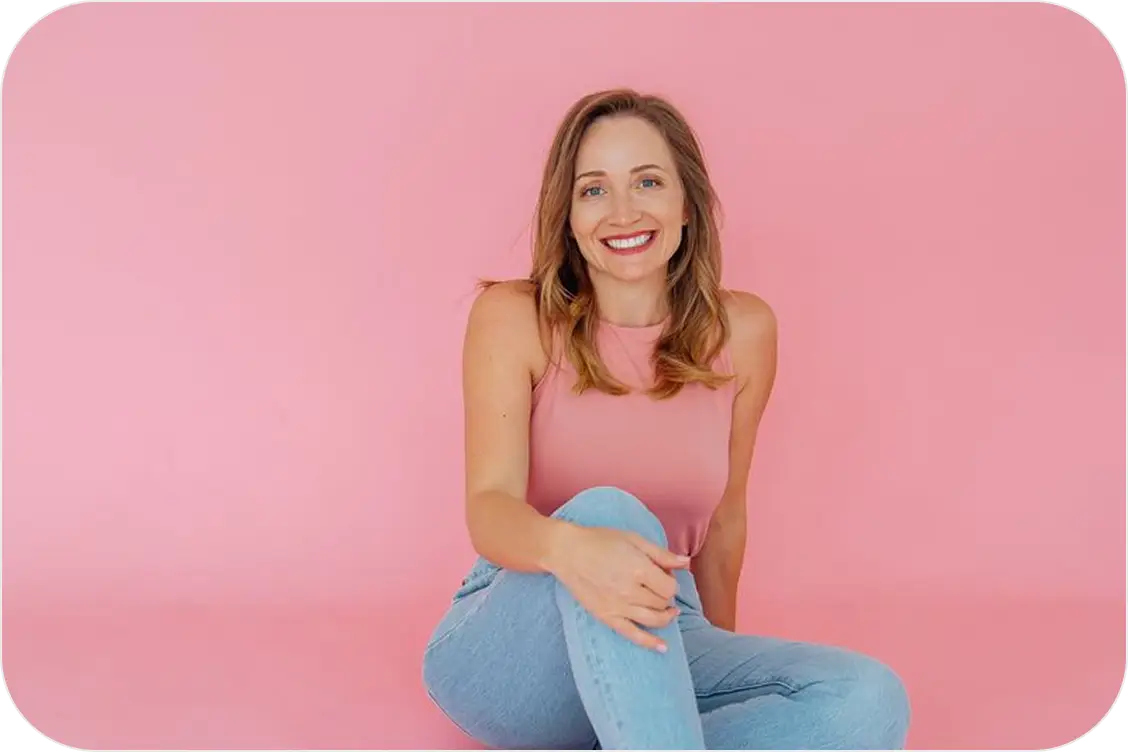

My story with PCOS started when I was 14. I was gaining weight slowly but steadily, and no matter what I did, nothing seemed to help. I tried everything—eating less, working out more—and when that didn’t work, I pushed even harder. Eventually, I started starving myself, which turned into binge eating. At the time, I didn’t realize what was happening. I just felt stuck in a cycle that PCOS seemed to be fueling. The weight kept creeping up, and the harder I tried to fix it, the worse it got. That cycle of restriction and overeating lasted for years, and looking back, so much of my time and energy was spent trying to fix something I didn’t understand, while blaming myself for it. At 16, I got my first period, and then nothing for six months. My cycles were completely irregular, and I even went a full year without one. Doctors ran ultrasounds, told me I had cysts on my ovaries, but reassured me that everything was “normal.” It didn’t feel normal. I also had severe acne and was prescribed Accutane twice. It would help for a while, but the breakouts always came back because the underlying issue was hormonal—and no one was talking about that.
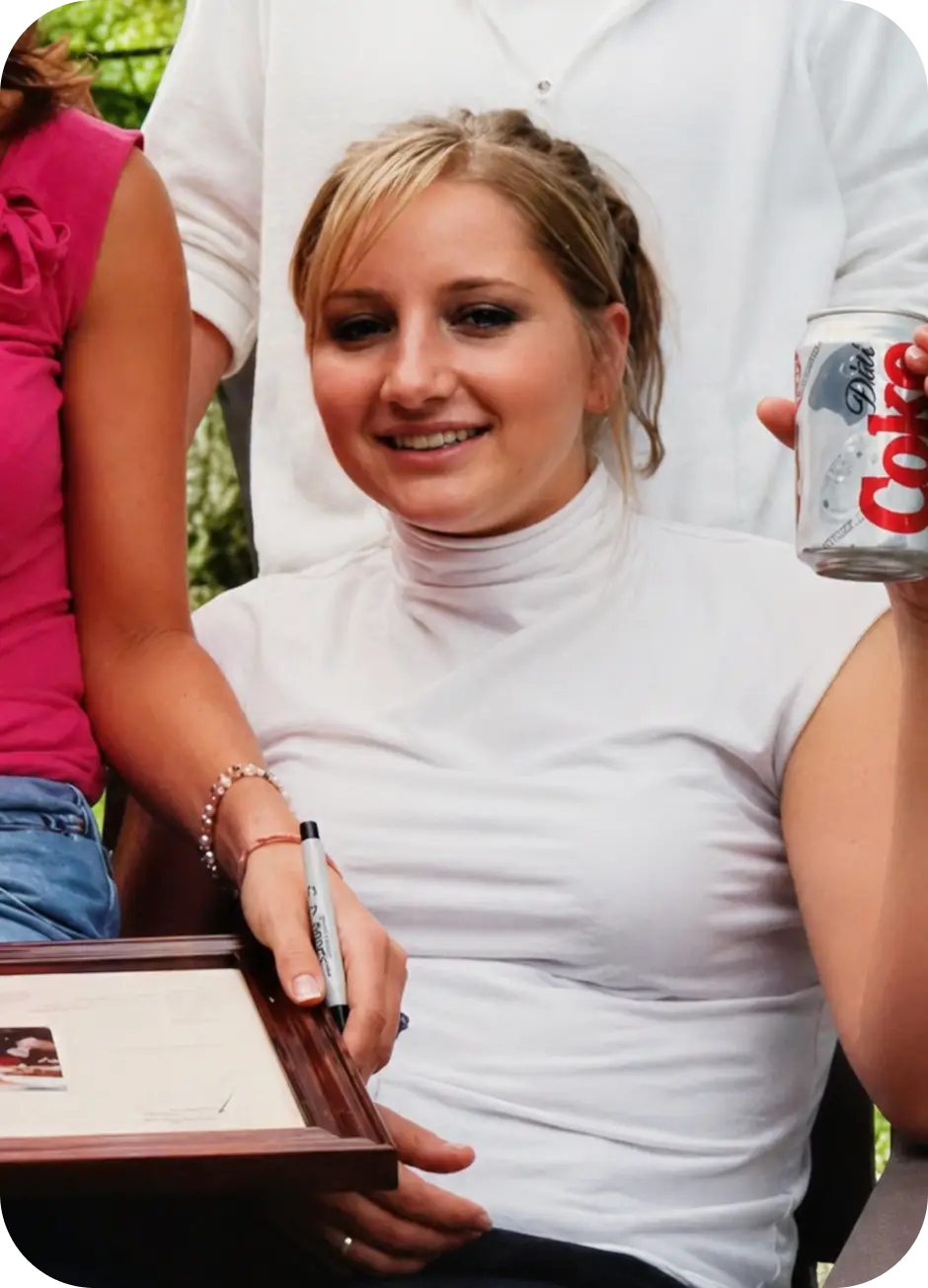
I went to college to become a Registered Dietitian because I wanted answers. I thought I would finally understand what was going on in my body. But as I moved through my classes, something didn’t add up. What I was learning didn’t match what I was experiencing—my weight kept going up, and I still didn’t feel like I fully belonged, especially while struggling with my own health.
At 21, I was diagnosed with PCOS, a condition I had never learned about during my nutrition degree. I was given almost no explanation—just told to “watch my weight.” Even after finishing my degree, I still had so many questions. So I kept going, pursuing a master’s in nutrition and metabolism, hoping it would finally make sense.
But PCOS was barely covered—not in undergrad, not in graduate school, not during my internship, and not even on the exam to become a Registered Dietitian.
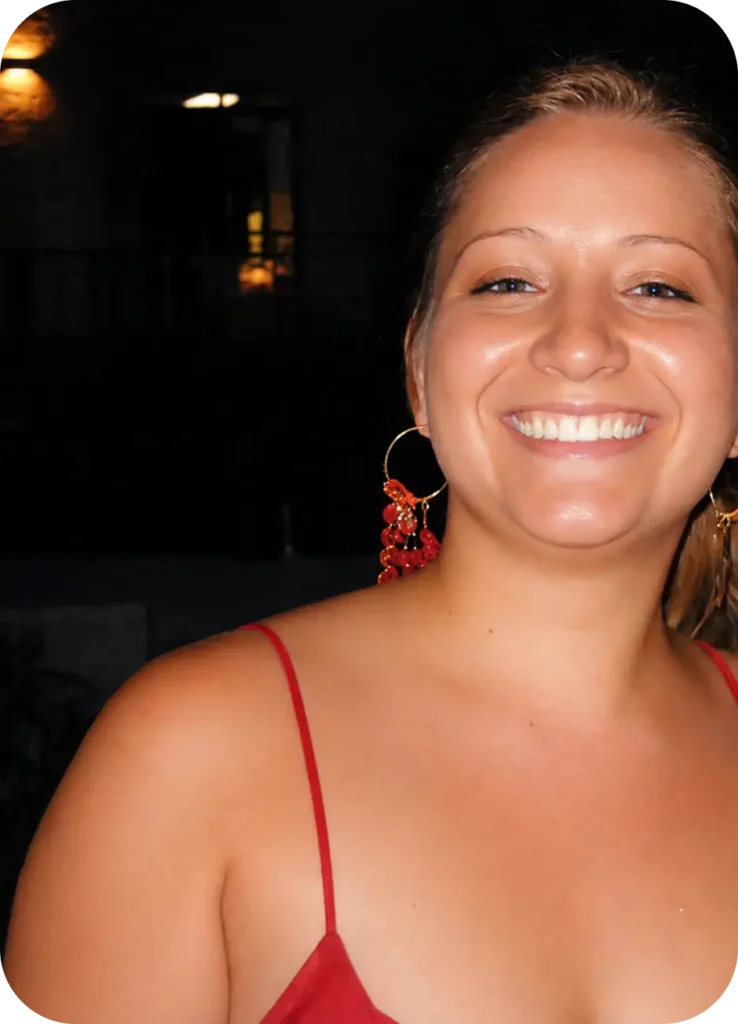
After finishing my master’s, I realized I still didn’t have the answers I was looking for. So I started digging deeper, researching insulin resistance and PCOS. It quickly became clear that traditional nutrition advice wasn’t working for women like me.
That realization led to the idea of a Low Insulin Lifestyle—something I later went on to study more deeply through my doctorate. I took advanced classes in reproductive endocrinology, studied under a reproductive endocrinologist, and began to learn firsthand how insulin and PCOS are connected.
I then partnered with that reproductive endocrinologist to study the impact of this approach in women with PCOS. That work became a turning point. The results exceeded expectations, leading to presentations, peer-reviewed publications, and validation through a large, independent randomized controlled trial.
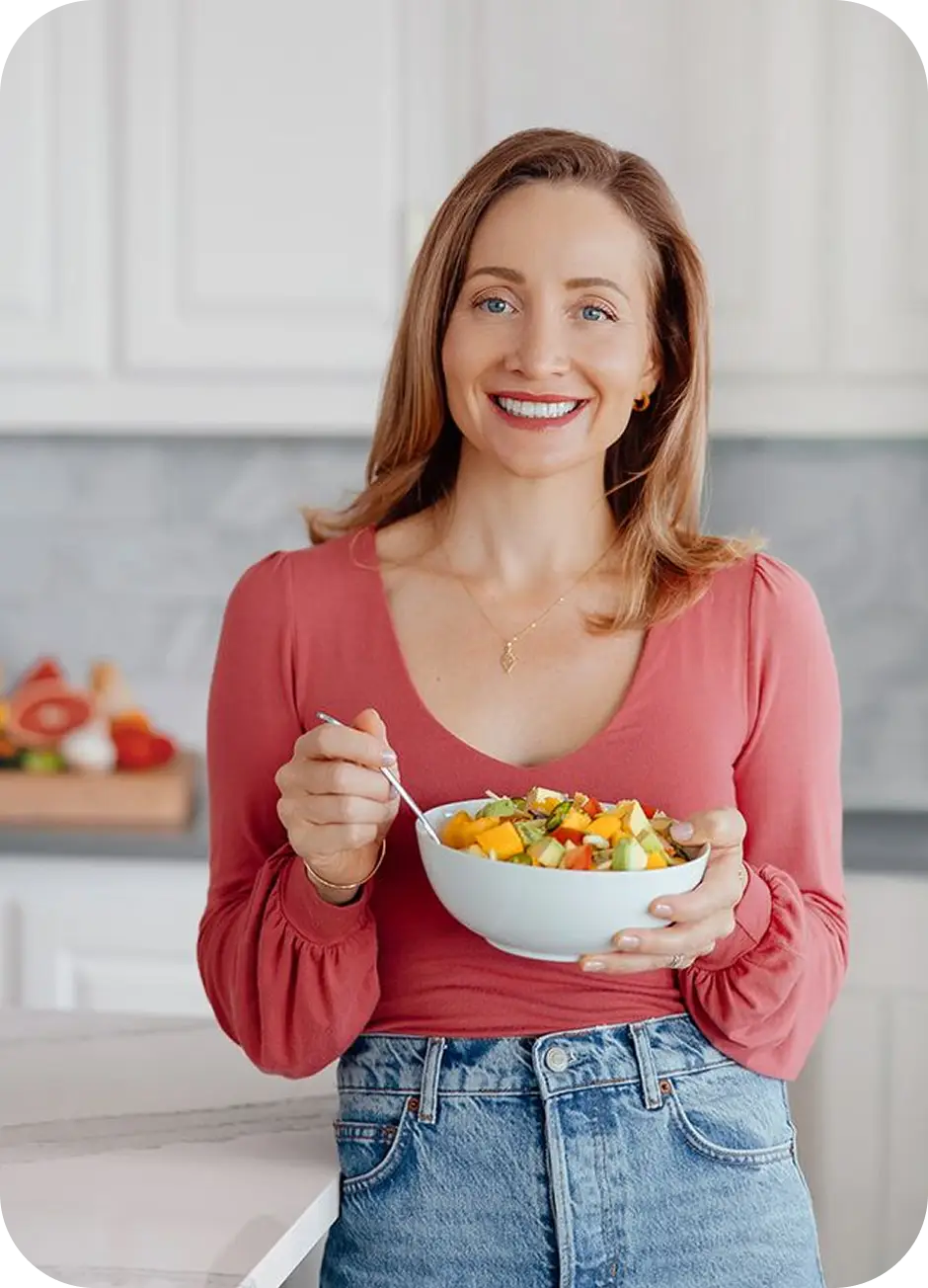
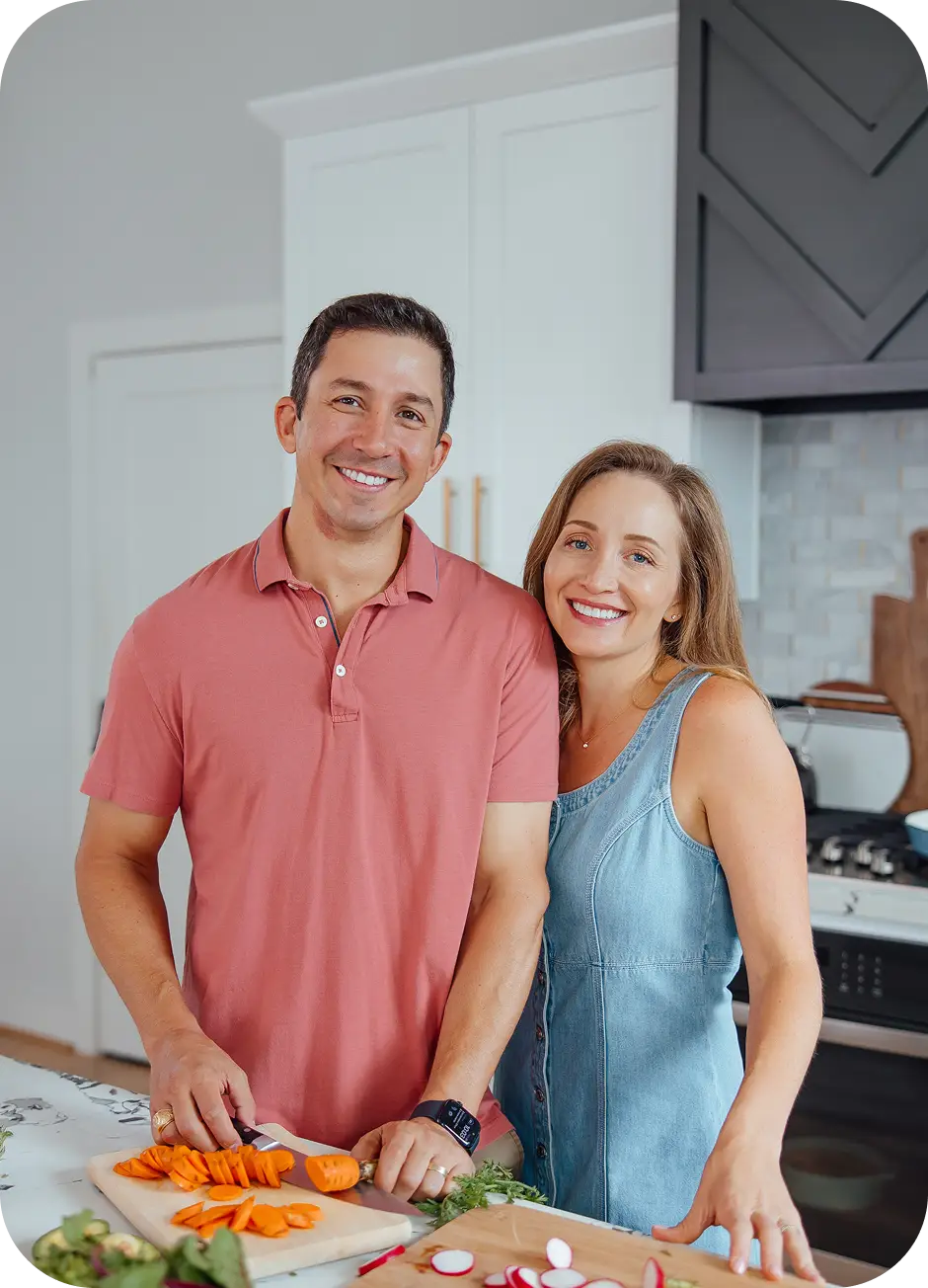
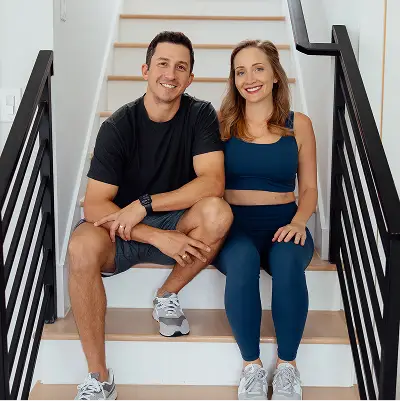
After completing the study, I was accepted into an NIH-funded postdoctoral fellowship, where I continued my research in nutrition and PCOS. During that time, I met my husband, Johnny, who is now the COO of Insara. His support gave me the confidence to take everything I had learned and start building something bigger—a way to help women finally understand what’s actually driving their symptoms. In 2021, my research led to a grant through the National Science Foundation I-Corps program, a competitive initiative focused on turning science into real-world impact. That experience helped me transition from patient to scientist to CEO, ultimately leading to the launch of Insara in 2022. I haven’t binged since 2012. When I look back on what were supposed to be some of the best years of my life, I see how much time I spent feeling confused, frustrated, and blaming myself for something I didn’t understand. If I had known at 16 what I know today, everything would have been different. That’s why I built Insara—so you don’t have to go through it alone.