

Most diets fail PCOS because they ignore insulin. A Low Insulin Lifestyle focuses on what actually drives symptoms and results.



A better way to eat, move, and live—so your body can finally work the way it’s meant to.
Most diets focus on calories, carbs, macros, or points. But a Low Insulin Lifestyle is different. It focuses on the one thing that actually controls whether your body stores or burns fat: insulin.
Every time you eat, your body releases insulin. But some foods and habits cause insulin to spike more than others. When insulin stays high, your body stays in fat-storage mode, your hormones get out of balance, and everything feels harder—weight loss, energy, sleep, cycles, mood.
That’s where a Low Insulin Lifestyle comes in.

We recommend limiting sugar because it causes a rapid and significant insulin response. Sugar isn’t just found in desserts. It includes table sugar, juice, sweetened drinks, and processed foods, but also “natural” sugars like honey, maple syrup, agave, and coconut sugar. Even though these may sound healthier, your body still breaks them down quickly and responds with a similar insulin release. When sugar is consumed frequently, especially throughout the day, insulin stays elevated. Over time, this makes it harder for your body to regulate energy, hormones, and metabolism. Because of this, reducing sugar intake is one of the most effective ways to lower insulin.

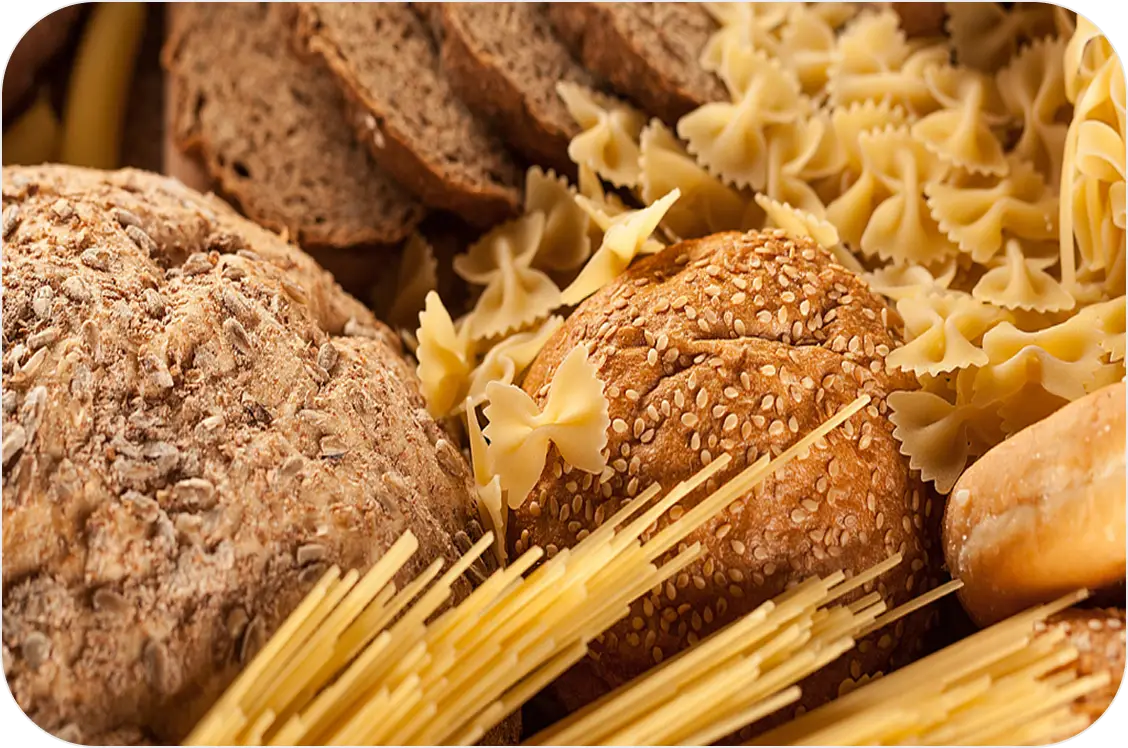
We recommend limiting starches because they cause a large and sustained insulin response.
Starches are a type of carbohydrate that break down into glucose. Foods like bread, pasta, rice, potatoes, crackers, beans, and grains may not taste sweet, but your body processes them similarly to sugar. Because of this, starches can raise insulin just as much, and sometimes more, than sugar.
Many of these foods are considered “healthy” or are part of a balanced diet, which is why they’re often overlooked. But when eaten regularly, they can keep insulin elevated throughout the day.
Reducing starch intake is one of the most effective ways to lower insulin and reverse insulin resistance.
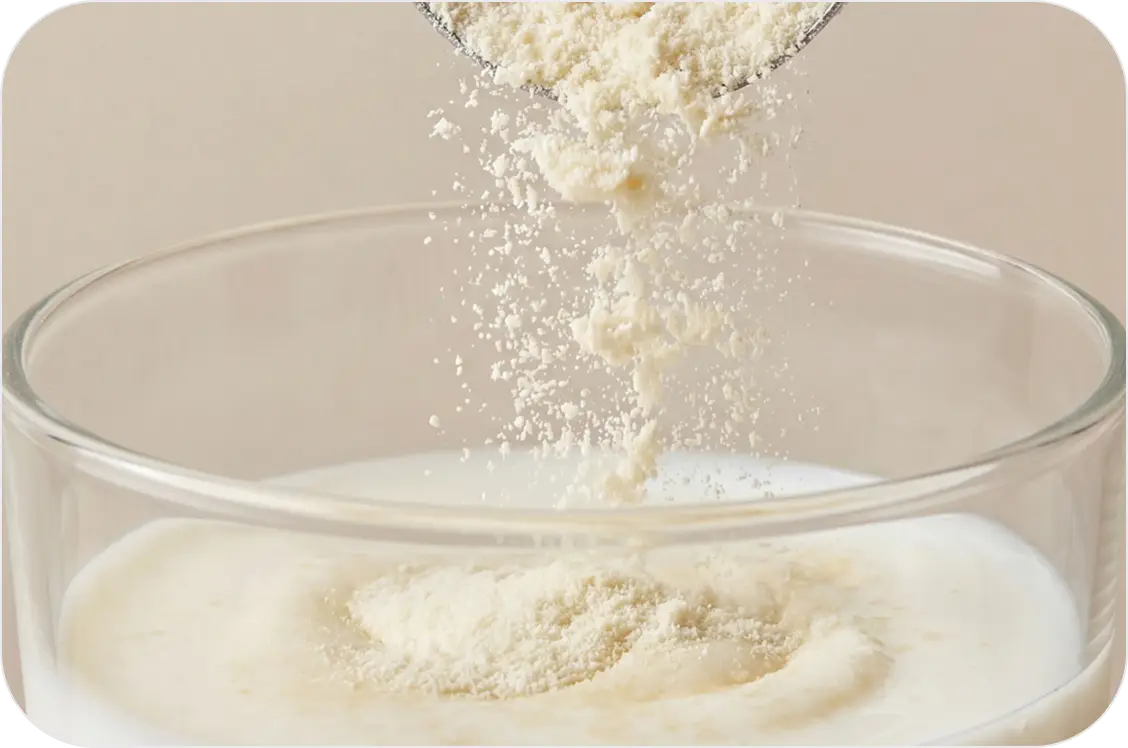
We recommend being selective with dairy because some dairy foods can trigger a significant insulin response, even without sugar.
Milk naturally contains insulin and insulin-like growth factor (IGF-1), which are designed to promote growth in infants. It also contains proteins, especially whey, that further stimulate insulin release. Because of this, foods like milk, whey protein, and many yogurts can raise insulin, even though they are low in sugar or carbohydrates.
In some individuals, this can contribute to symptoms like acne and hormonal imbalances.
Not all dairy has the same effect. Products like Greek yogurt and aged cheeses tend to have a lower impact on insulin, while milk and whey-based products tend to have a much higher impact.
It’s not about being dairy-free. It’s about being dairy-smart.


Chavarro, J. E., Rich-Edwards, J. W., Rosner, B. & Willett, W. C. A prospective study of dairy foods intake and anovulatory infertility. Human Reproduction 22, 1340–1347 (2007).
De Leo, V., la Marca, A. & Petraglia, F. Insulin-Lowering Agents in the Management of Polycystic Ovary Syndrome. Endocr. Rev. 24, 633–667 (2003).
Houston, E. J. & Templeman, N. M. Reappraising the relationship between hyperinsulinemia and insulin resistance in PCOS. J. Endocrinol. 265 (2025).
Hoyt, G., Hickey, M. S. & Cordain, L. Dissociation of the glycaemic and insulinaemic responses to whole and skimmed milk. British Journal of Nutrition 93, 175–177 (2005).
Jackson, B. et al. Nutritional education (face-to-face and video instruction) for polycystic ovary syndrome results in greater reduction in BMI and hemoglobin A1c than caloric restriction, exercise and metformin. Fertil. Steril. 118, e95 (2022).
Kishan, R. et al. Spontaneous Pregnancies in Polycystic Ovary Syndrome (PCOS) Patients with a Low Starch/Low Dairy Diet: A Retrospective Case Series. J. Community Med. Public Health 6 (2022).
Melnik, B. C. Evidence for Acne-Promoting Effects of Milk and Other Insulinotropic Dairy Products. In 131–145 (2011).
doi:10.1159/000325580. Nilsson, M., Stenberg, M., Frid, A. H., Holst, J. J. & Björck, I. M. E. Glycemia and insulinemia in healthy subjects after lactose-equivalent meals of milk and other food proteins: the role of plasma amino acids and incretins. Am. J. Clin. Nutr. 80, 1246–53 (2004).
Page, M. M. & Johnson, J. D. Mild Suppression of Hyperinsulinemia to Treat Obesity and Insulin Resistance. Trends in Endocrinology and Metabolism vol. 29. Preprint at https://doi.org/10.1016/j.tem.2018.03.018 (2018).
Parker, J., Briden, L. & Gersh, F. L. Recognizing the Role of Insulin Resistance in Polycystic Ovary Syndrome: A Paradigm Shift from a Glucose-Centric Approach to an Insulin-Centric Model. J. Clin. Med. 14 (2025).
Perelman, D. et al. Substituting poly- and mono-unsaturated fat for dietary carbohydrate reduces hyperinsulinemia in women with polycystic ovary syndrome. Gynecological Endocrinology 33 (2017).
Phy, J. L. et al. Low Starch/Low Dairy Diet Results in Successful Treatment of Obesity and Co-Morbidities Linked to Polycystic Ovary Syndrome (PCOS). J. Obes. Weight Loss Ther. 5 (2015).
Pohlmeier, A. Effect of a Low Insulinemic Diet on Clinical, Biochemical, and Metabolic Outcomes in Women with PCOS. (Texas Tech University, 2013).
Pohlmeier, A. M. et al. Effect of a low-starch/low-dairy diet on fat oxidation in overweight and obese women with polycystic ovary syndrome. Applied Physiology, Nutrition and Metabolism 39, 1237–1244 (2014).
Rastad, H., Shahrestanaki, E., Heydarian, H. R. & Maarefvand, M. Dairy consumption and its association with anthropometric measurements, blood glucose status, insulin levels, and testosterone levels in women with polycystic ovary syndrome: a comprehensive systematic review and meta-analysis. Front. Endocrinol. (Lausanne) 15 (2024).
It focuses on lowering insulin—the root driver of PCOS—rather than just tracking glucose or managing symptoms. Instead of relying on calorie counting or generic plans, it helps you make targeted changes that help you lower insulin levels over time.
Many traditional approaches focus on calories or carbs without addressing insulin. The reality is that not all carbs spike insulin the same way—and some foods with little to no carbs can still cause a significant insulin spike. Insara takes a different approach by focusing directly on insulin response, which is why it often works when other methods haven’t.
No. Insara is not a calorie-counting or carb-counting plan. Instead, it focuses on limiting or avoiding foods that spike insulin, helping you make choices that better support your metabolism, hormones, and long-term health.
Yes. This isn’t about eliminating carbs completely, it’s about choosing the types of carbs that have a lower impact on insulin.
Keto and low-carb diets focus on reducing carbs, but not everyone sees results because insulin response isn’t determined by carbs alone—some foods with little to no carbs can still cause significant insulin spikes. Insara is designed specifically around insulin response, not just carb intake. This means you don’t need to eliminate nutrient-dense foods like non-starchy vegetables, fruits, nuts, and seeds. Instead, the focus is on choosing foods that have a minimal impact on insulin, allowing for a more flexible, balanced, and sustainable approach.
While Insara’s clinical studies have not included pediatric patients, the principles of lowering excessive insulin levels are broadly supportive of overall health. A Low Insulin Lifestyle emphasizes whole, unprocessed foods and balanced nutrition, which can support healthy growth and development. However, children have unique nutritional needs, so it’s important to consult with a healthcare provider before making significant dietary changes.